

Most motorists have done it at some point without giving it a second thought. You are driving along a road when another driver coming in the opposite direction flashes their headlights a couple of times. Instantly, most people know exactly what that means. There is probably a speed camera van parked further ahead, a police officer carrying out roadside checks, or some form of enforcement activity taking place nearby. In response, drivers instinctively check their speedometer, ease off the accelerator, and continue on their journey. For many people, it feels less like “interfering with police” and more like an unwritten courtesy between motorists - something that has existed on British roads for decades.
What often comes as a genuine shock, however, is that this simple act could potentially amount to a criminal offence. Under certain circumstances, warning other motorists about a police speed trap may lead to allegations that a driver has obstructed police in the execution of their duties. While prosecutions are relatively uncommon, they do happen, and the law surrounding the issue is far more serious than many people realise. In some cases, a conviction could result in:
- A criminal record
- Financial penalties
- Community service or unpaid work
- Court costs and surcharges
- A permanent conviction on record
For many motorists, the idea that a quick flash of headlights could theoretically lead to criminal proceedings sounds ridiculous. Legally though, the position is more complicated than most people expect.
The Law Behind Flashing Your Headlights
The offence most commonly linked to this behaviour falls under Section 89(2) of the Police Act 1996, which makes it an offence to wilfully obstruct a constable in the execution of their duty. Although the wording of the legislation sounds quite broad and old-fashioned, it has been interpreted by the courts over many years to include a wide range of conduct capable of interfering with police activity. Importantly, obstruction does not necessarily require somebody to physically stand in an officer’s way or prevent an arrest from taking place. The law can also apply where somebody deliberately makes it more difficult for police to carry out enforcement activity effectively.
In the context of speed cameras and roadside policing, prosecutors may argue that warning motorists about enforcement ahead directly undermines the purpose of the operation. The argument is relatively straightforward: if drivers are warned in advance, they slow down before reaching the speed trap, meaning offences that might otherwise have been detected are missed. From a policing perspective, that could amount to interference with lawful enforcement duties. The Crown Prosecution Service has even specifically referenced warning motorists about speed traps as an example of conduct capable of amounting to obstruction, which demonstrates that authorities do take the issue seriously in the right circumstances.
“Any person who wilfully obstructs a constable in the execution of his duty…” - Section 89(2), Police Act 1996
What makes this area of law particularly interesting is that there is no specific offence called “warning drivers about speed cameras.” Instead, these cases revolve around whether the prosecution can actually prove that a motorist’s actions crossed the legal threshold for obstruction. That distinction is extremely important because simply flashing headlights on its own is not automatically enough to secure a conviction.
The Important Case of DPP v Glendinning [2005]

One of the most significant legal authorities in this area is the High Court case of DPP v Glendinning [2005], which is still regularly referred to when discussing whether flashing headlights can amount to obstruction. The case involved a lorry driver who had been seen flashing his headlights at approaching motorists after spotting a speed camera van positioned further along a dual carriageway. Police believed he was deliberately warning drivers about the upcoming enforcement activity and prosecuted him accordingly for obstructing police in the execution of their duties.
Initially, the driver was convicted. However, the matter was later appealed to the High Court, where the conviction was overturned. The reasoning behind that decision is incredibly important because it highlighted a key legal principle: there must be evidence of an actual obstruction, not merely the possibility of one. In the circumstances of the case, there was no evidence that approaching vehicles were speeding, no evidence that drivers who received the warning were likely to speed, and no evidence that any offences had genuinely been prevented from being detected because of the flashing headlights.
The High Court therefore concluded that the prosecution had failed to prove that police duties had truly been obstructed. As a result, the conviction was quashed. The decision made clear that these cases are highly fact-sensitive and that prosecutors cannot simply assume obstruction has taken place merely because somebody flashed their headlights. There must be some meaningful evidence showing that enforcement activity was actually interfered with.
The Court effectively confirmed that flashing headlights alone is not automatically illegal. The prosecution still has to prove genuine obstruction.
This is why there is often confusion online about whether warning other drivers is “illegal” or “legal.” The reality is that the answer depends heavily on the circumstances of the individual case.
Why Police and Prosecutors Still Take It Seriously
Although many motorists see flashing headlights as harmless or even helpful, police forces tend to view the issue very differently. From an enforcement perspective, roadside speed checks and camera operations are designed to identify drivers who are breaking the law. If approaching motorists are warned in advance and immediately reduce their speed, police may argue that the effectiveness of the operation has been compromised. In other words, the concern is not simply about drivers slowing down temporarily, but about people deliberately undermining enforcement activity before offences can be detected.
There is also an argument from authorities that drivers who are warned often only slow down momentarily before resuming their previous speed once past the enforcement point. Because of that, some police forces view warning flashes as interfering with the deterrent effect of speed enforcement. On the other hand, many motorists strongly disagree with that position and argue that if flashing headlights causes drivers to slow down, then road safety has still technically improved regardless of whether tickets are issued.
That tension between public perception and legal interpretation is what makes this topic so controversial. To many drivers, warning somebody about a speed camera feels no different from warning them about an accident, debris in the road, or another hazard ahead. Legally, however, the issue is viewed through a completely different lens because the courts are focused on whether police duties were deliberately interfered with rather than whether the person believed they were helping others.
What Sentence Could You Receive?
Because allegations of obstruction fall under criminal legislation rather than ordinary traffic offences, the consequences can be more serious than many people realise. A conviction under Section 89(2) of the Police Act 1996 can result in a criminal record, fines, and community-based sentencing.
Sentencing depends heavily on factors such as:
- How deliberate the conduct was
- Whether police duties were genuinely affected
- The scale of the interference
- Whether the behaviour was repeated or sustained
The Sentencing Council guidelines range from low-level fines and conditional discharges all the way through to community orders in more serious cases. While imprisonment would be extremely unusual in a case involving flashing headlights alone, the offence itself technically carries the possibility of custody.
For many motorists, the biggest surprise is simply that such behaviour could potentially result in criminal proceedings at all. Most people who flash their headlights are not acting maliciously. In fact, many would likely be stunned if stopped by police and accused of obstruction.
Other Surprisingly Common Driving Habits That Can Also Be Illegal
One of the most misunderstood aspects of motoring law is how many everyday habits can potentially amount to offences without drivers ever realising it. Many offences are not based purely on whether something feels obviously dangerous, but on whether the law considers the behaviour careless, inconsiderate, unsafe, or obstructive in the circumstances.
Leaving Your Engine Running
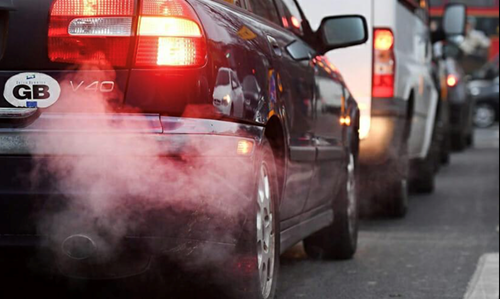
Leaving your engine running while stationary is something thousands of motorists do every single day, particularly during colder weather. However, Rule 123 of the Highway Code advises drivers not to leave engines running unnecessarily while parked, and councils have increasingly started enforcing anti-idling measures in areas where pollution concerns are high.
Drivers can now face enforcement action in some areas for:
✓ Sitting stationary with engines unnecessarily running
✓ Idling outside schools or hospitals
✓ Leaving vehicles running for extended periods
✓ Contributing to avoidable urban pollution
What surprises many people is that these offences are often enforced not because of immediate danger, but because authorities increasingly view unnecessary idling as a public health and environmental issue.
Driving With Snow Covering Your Vehicle
Every winter, police issue reminders warning motorists to properly clear snow and ice before driving. Although there is no offence specifically called “driving with snow on your roof,” drivers can still face allegations such as careless driving or using a vehicle in a dangerous condition if visibility is obstructed or debris falls from the vehicle onto other road users.
Large sheets of ice or snow sliding from vehicles at speed can create extremely dangerous situations for following traffic. Because of that, police forces now take these incidents far more seriously than many motorists realise.
Driving in Unsuitable Footwear
There is no law specifically banning high heels, sliders, flip flops, or driving barefoot. However, that does not mean footwear can never become legally relevant. If police believe unsuitable footwear affected a driver’s ability to maintain proper control of the vehicle, it could potentially form part of the evidence in a careless driving prosecution.
The legal issue is always whether the driver remained in proper control of the vehicle in the circumstances. Something as simple as footwear can therefore become highly relevant after a collision or allegation of poor driving.
The Bigger Picture
Motoring law is full of offences that many people unintentionally commit without realising there may be legal consequences attached. Drivers often rely on habit, common sense, and what they see other motorists doing every day. Unfortunately, the law does not always interpret things in the same way.
That is particularly true with offences involving obstruction, careless driving, or road traffic procedure, where cases often turn on small factual details, legal interpretation, and the available evidence. Something that feels harmless to one person may be viewed very differently by police, prosecutors, or the courts.
Accused of a Motoring Offence?
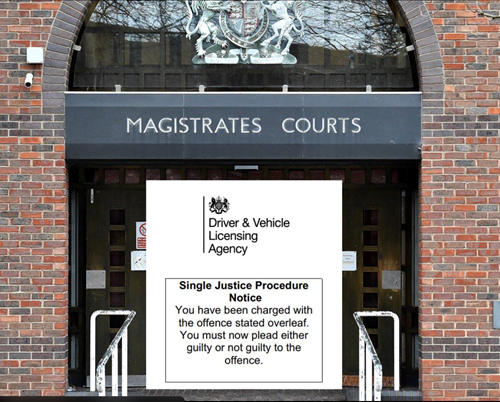
At MAJ Law, we regularly advise motorists facing allegations involving speeding, careless driving, dangerous driving, obstruction offences, and totting-up disqualifications. Many drivers assume there is little they can do once accused of an offence, only to later discover that there may be evidential issues, procedural failings, or legal arguments available in their defence.
If you are facing investigation or prosecution for a motoring-related offence, obtaining specialist legal advice at an early stage can make a significant difference to the outcome of your case.