

Merseyside Police has become the first police force in the UK to operationally deploy evidential roadside alcohol-testing technology, marking one of the most significant developments in drink-driving enforcement for many years.
The new technology has the potential to change how drink-driving offences are investigated by allowing officers to obtain an evidential breath sample at the roadside, removing the need to wait until a suspect reaches custody before obtaining evidence that can be used in court.
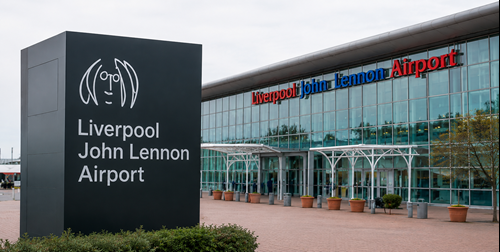
Introduced as part of Operation Take Off, the initiative is specifically targeting drink-driving among motorists returning from holidays, particularly those leaving Liverpool John Lennon Airport after consuming alcohol before or during their flight.
While many drivers may not notice any visible difference during a roadside stop, the legal implications of this technological advancement could be substantial.
A Major Change to Drink-Driving Investigations
Until now, drink-driving investigations have generally followed a two-stage process. If an officer suspected a driver had consumed alcohol, they would first carry out a preliminary roadside breath test using a screening device. If that screening test indicated the driver was over the legal limit, they would then be arrested and taken into custody, where a second, evidential breath test would be conducted using approved equipment. Only the evidential sample obtained in custody could normally be relied upon as the primary evidence for prosecution.
The difficulty with this process is simple. Alcohol levels do not remain static. The human body continuously metabolises alcohol, meaning a driver's breath alcohol reading may reduce during the journey to the police station and while waiting to be booked into custody.
In some cases, this has created situations where a driver recorded a reading over the legal limit at the roadside but produced an evidential sample below the prosecution threshold by the time testing took place in custody. The introduction of evidential roadside breath testing is designed to remove that evidential gap.
"Being able to charge people at the roadside for drink-driving could make the difference between securing a prosecution and losing one."
– Inspector Gavin Dixon, Merseyside Roads Policing Unit
What Is Evidential Roadside Alcohol Testing?
Unlike traditional roadside breathalysers, the new equipment is approved to produce an evidential reading immediately at the roadside. This means officers no longer need to rely solely on a preliminary screening device before transporting the driver elsewhere for further testing.
Instead, where appropriate, the evidential sample can be obtained almost immediately after the driver is stopped.
In practical terms, this means:
- Less delay between the stop and evidential testing.
- Reduced opportunity for alcohol levels to fall before evidence is obtained.
- Faster charging decisions.
- Greater efficiency for police investigations.
- Stronger evidential continuity.
For drivers, it means that any belief that "your alcohol level might drop by the time you reach the station" is becoming increasingly unrealistic where this technology is deployed.
Why Has This Been Introduced?
The technology forms part of Operation Take Off, a proactive campaign aimed at reducing drink-driving among returning holidaymakers. The operation follows the tragic deaths of eight-month-old Zackary Blades and his aunt Karlene Warner, who were killed in May 2024 by a driver leaving Newcastle Airport who was reportedly almost three times over the legal alcohol limit.
Their deaths highlighted the continuing dangers posed by drink-driving and prompted renewed focus on improving enforcement.
Inspector Gavin Dixon explained:
The tragic circumstances surrounding the deaths of Zackary and Karlene demonstrate exactly why this proactive approach is needed. Every improvement we can make in detecting and prosecuting those who drive under the influence is vital.
The first deployment took place on routes leaving Liverpool John Lennon Airport, where officers targeted motorists who may have consumed alcohol before boarding or during their return flight.
Could This Technology Be Rolled Out Across the UK?
Yes. Although Merseyside Police is the first force to deploy the equipment operationally, the technology is available for use by police forces across England and Wales.If successful, many legal experts expect other forces to follow. This could represent one of the biggest procedural changes to drink-driving enforcement in recent years.
As police continue to embrace new technology, motorists should expect investigations to become increasingly efficient and evidence gathering to become more immediate.
Merseyside Police Is Also Trialling New Drug-Driving Technology
Alongside the evidential roadside breath-testing device, officers are also trialling a nitrous oxide detection device.
The aim is to determine whether breath analysis could improve detection of motorists suspected of driving after inhaling nitrous oxide, potentially reducing reliance on blood samples in appropriate cases.
The force is also continuing its long-running football anti-drink and drug-driving campaign, which has resulted in 266 arrests for drink or drug driving since the start of the World Cup campaign.
These initiatives demonstrate the increasing role technology is playing in modern roads policing.
Does This Mean Drink-Driving Cases Will Become Harder to Defend?
Not necessarily. While faster evidential testing may strengthen the prosecution's evidence in some cases, every drink-driving allegation still depends on the individual facts. A solicitor may still examine issues such as:
- Whether the roadside stop was lawful.
- Whether the testing procedure complied with legal requirements.
- Whether the evidential device was correctly approved and calibrated.
- Whether the officer followed the correct statutory procedures.
- Whether any procedural irregularities affected the reliability of the evidence.
The introduction of new technology does not remove a driver's legal rights or prevent a defence from being raised where appropriate. Each case should still be assessed on its own facts.
MAJ Law's View
The introduction of evidential roadside alcohol testing represents a significant development in UK drink-driving enforcement. From a road safety perspective, the technology has the potential to preserve evidence more effectively and reduce delays in the investigation process. However, it also reinforces the importance of obtaining specialist legal advice as early as possible following an arrest or charge.
New technology does not replace the legal safeguards that exist within the criminal justice system. Every prosecution must still be supported by reliable evidence and conducted in accordance with the law.
If you have been arrested or charged with drink driving, obtaining early expert advice can make a significant difference to understanding the evidence, identifying any procedural issues and protecting your legal position.
Need Specialist Drink-Driving Advice?
At MAJ Law, our specialist motoring offence solicitors represent motorists across England and Wales facing allegations including:
- Drink driving.
- Drug driving.
- Failure to provide a specimen.
- Dangerous driving.
- Careless driving.
- Speeding offences.
If you have been accused of a drink-driving offence, contact MAJ Law today for specialist legal advice tailored to your case.