
Drug Driving Case Discontinued Following Medical Defence

MAJ Law successfully represented a client facing a drug driving prosecution involving prescribed antidepressant medication, after our solicitors identified important medical evidence surrounding both the alleged offence and what happened during the police investigation.
Our client had a documented history of Post-Traumatic Stress Disorder (PTSD) following a significant traumatic event in their life. As a result, they suffered from severe anxiety and had been prescribed antidepressant medication to help manage their symptoms. When the client came under investigation for drug driving, their medical circumstances became an important part of the case.
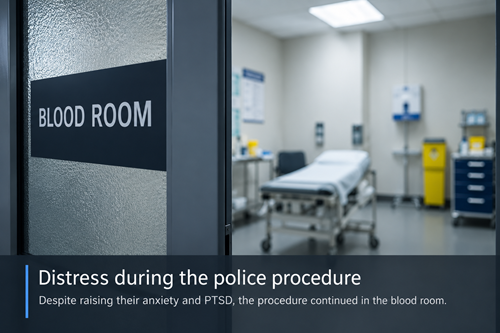
During the police procedure, our client repeatedly explained that they suffered from severe anxiety and were becoming increasingly overwhelmed. Despite raising these concerns, the procedure continued. The client's distress eventually became so severe that, while in the blood room at the police station, they lost consciousness and fainted. During the fall, they struck their head and subsequently had to be taken to hospital for medical treatment.
After examining the evidence and obtaining information relating to the client's medical history, MAJ Law advanced a medical defence on their behalf.
The drug driving prosecution was ultimately discontinued, meaning our client avoided a criminal conviction and the mandatory driving disqualification that would have followed if they had been convicted.
The background to the case
Our client had experienced a deeply traumatic event in their personal life which had resulted in them suffering from PTSD and significant anxiety. They had been prescribed antidepressant medication as part of the treatment and management of their condition.
This history was important. The client's mental health difficulties were not something raised for the first time after they had been charged; they formed part of an existing medical condition for which the client had been receiving treatment.
Following an allegation of drug driving, the client found themselves in police custody and facing an evidential procedure which they found extremely difficult to cope with. For somebody already living with PTSD and severe anxiety, the experience of being detained, questioned and required to undergo a medical procedure in police custody caused considerable distress.

Client tells police about severe anxiety
During the procedure, our client made officers aware that they suffered from severe anxiety and explained that they were struggling with what was happening. This was not simply a case of the client saying that they felt slightly nervous about having blood taken. Their anxiety was connected to an existing diagnosis of PTSD following a traumatic life event, for which they had been prescribed medication.
Despite the client expressing their concerns and becoming increasingly distressed, the procedure continued. Their condition deteriorated to the point that, while in the blood room, the client fainted and lost consciousness.
During the fall, they struck their head. The incident was sufficiently serious that the client subsequently had to be taken to hospital for medical assessment and treatment.
For the defence, what happened in the blood room provided important context. The client's reaction was consistent with the significant level of distress they had described and demonstrated that their concerns about their mental health could not simply be dismissed as ordinary nervousness surrounding a police procedure.


MAJ Law instructed to defend the drug driving charge
After being charged with drug driving, the client instructed our specialist motoring solicitors to defend the allegation.
Drug driving offences can appear straightforward, particularly where the prosecution relies upon the results of a blood analysis. However, a laboratory result should never be considered in isolation. Our solicitors reviewed the circumstances of the alleged offence, the medication involved, the client's medical history and the events that had taken place at the police station. Particular attention was paid to the client's PTSD, severe anxiety and prescribed antidepressant medication, together with the evidence surrounding the incident in the blood room.
The fact that the client had expressly raised their anxiety with police before subsequently losing consciousness and requiring hospital treatment was an important part of the overall chronology.
Building the medical defence
A medical defence was advanced on behalf of our client. The defence relied upon the client's underlying medical history and the circumstances surrounding their use of prescribed antidepressant medication. This is an important distinction in cases involving prescription drugs.
Being prescribed medication does not automatically provide a defence to drug driving. The circumstances in which the medication was prescribed and taken, the nature of the allegation and the available medical evidence all need to be considered carefully.
In this case, the client's history of PTSD and severe anxiety provided important medical context which required proper investigation.
Our legal team was able to present the circumstances as more than simply an allegation that a driver had taken drugs and driven a vehicle. There was a documented medical background, prescribed treatment and evidence demonstrating the severity of the client's condition at the time of the police procedure.

The prosecution drops the case
Following the medical defence advanced on our client's behalf and consideration of the evidence, the prosecution decided to discontinue the case. As a result, our client did not have to proceed to trial. Most importantly, they avoided being convicted of drug driving and the serious consequences that can follow.
A conviction for drug driving ordinarily results in a mandatory minimum 12-month driving disqualification, together with a criminal record and potentially a fine or other sentence depending upon the circumstances. There can also be consequences beyond the courtroom. A drug driving conviction can affect employment, particularly where somebody relies upon their driving licence for work, and can result in significantly increased insurance costs once they are permitted to drive again.
For a client who was already dealing with the effects of PTSD and a traumatic period in their life, having the proceedings discontinued brought an extremely stressful case to an end.
Why medical evidence can matter in a drug driving case
This case highlights an important point about drug driving prosecutions: the circumstances behind a blood result matter.
Cases involving prescribed medication can require a detailed examination of a defendant's medical records, prescription history and the way in which medication was being taken. Similarly, where a defendant has a physical or mental health condition which affected events during the police investigation, that evidence should be properly considered rather than dismissed. No two drug driving cases are identical.
At MAJ Law, we examine the complete evidential picture, including police procedure, blood and forensic evidence, medical records, prescription evidence and the individual circumstances of the defendant.
In this case, investigating those circumstances allowed a medical defence to be advanced and ultimately resulted in the prosecution being discontinued.
Facing a drug driving charge involving prescription medication?
If you have been accused of drug driving after taking medication prescribed to you, it is important to obtain specialist legal advice before assuming that a conviction is inevitable.
Our specialist motoring solicitors regularly defend drug driving allegations and can examine the prosecution evidence, your medical circumstances and the police procedure to identify any defence available to you.
Contact MAJ Law today for specialist advice about a drug driving investigation or prosecution.